Top-ads

The Latest

Opened in 1880, Continental Hotel Saigon has been a central Saigon landmark for almost a century and a quarter. Built in grand colonial style and overlooking the majestic Opera House, Dong Khoi street and Lam Son square, the Continental Hotel could hardly be better situated for business, leisure and shopping.
Park Royal Saigon Hotel Saigon is located near the fringe of the town centre, just a short drive from the Tan Son Nhat Airport (10 minutes). Close to the Ho Chi Minh city International Exhibition Centre (HIECC), making us the choice hotel for visiting, exhibitions and business delegates.Besides enjoying the benefits of a strategic location,
The only 5-star hotel in the Phu Nhuan, the strategically located Mo"venpick Hotel Saigon is just 10 minutes away from the exhibition centre and international airport and 20 minutes from the Ho Chi Minh city centre.
Perfectly located in the heart of Saigon, Grand Hotel is an ideal choice if you want prime location, classic architecture and generous helping of local flavor for your business trip, vacation and other stay.

Grand Hotel was built in 1930 and completely restored in 1997, nestled in Saigon riverside area and within waling distance to major commercial and entertainments places,
Rex Hotel is ideally located in the center heart of Ho Chi Minh city, next door to the People Committee House, within steps of the famous Ben Thanh market and historical Opera House.

Rex Hotel has been granted to reach the standard of a four-star hotel, a complex including 227 rooms, 3 main restaurants, 2 gardens, a bingo club, a heath club and offices for rent.
Originally established in 1992 as the first Australian owned hotels in Ho Chi Minh City (HCMC), Vietnam. The Norfolk Hotel offers delightfully intimate and spacious accommodation that prove to continually exceed guest expectations, Our guests enjoy numerous amenities in a richly appointed setting, making every stay both pleasurable and productive. The Norfolk Hotel enduring commitment to providing exemplary hospitality combined with our experienced staffs are ready to assist you at every turn and charming accommodation provides the backdrop for a rewarding visit.
For the Vietnamese people, Tet is the most sacred time of the year. On lunar New Year's Eve, each member of a family and of society exchange sincere good wishes, strengthening common cultural ties. Tet is also time to reflect on the spiritual life.
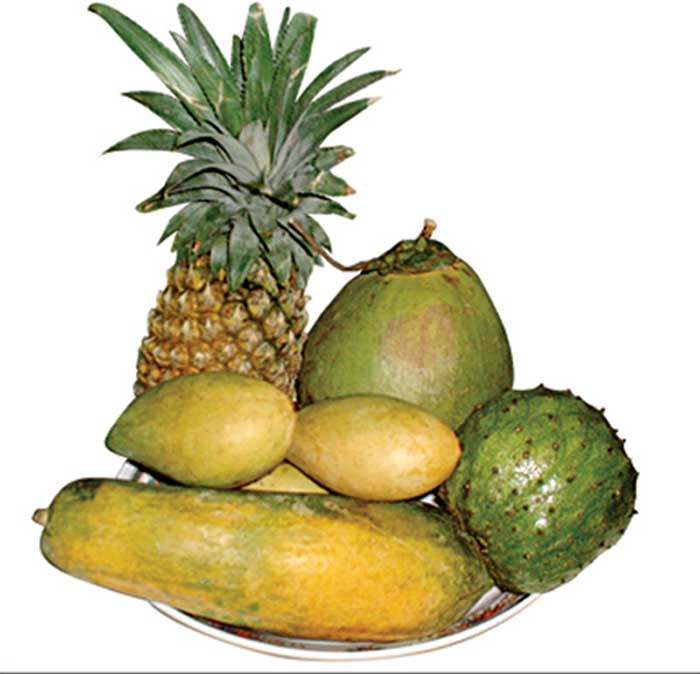
In Hanoi, on the stroke of midnight, the whole family sits down to eat together. The house has been cleaned well in advance. The family altar is decorated with fresh flowers, fruits (5 kinds of fruits with 5 different colors) and red candles. During Tet, angry words are forbidden. Most Hanoians visit pagodas, and make sure to bring home a leafy branch, an ancient symbol of prosperity.
During the next few days, it is crucial for people to visit as many of their relatives, friends and former teachers as they can manage. As an old proverb says:" the first day of Tet is for parents, the second for friends, and third for teachers".
When visiting families, it is customary to offer children and old people money in a lucky red envelope, to wish the elderly a long life and the children a year of fast growth. Visitors wish their hosts happiness, wealth and success as soon as they arrive.
In the Centre of the country, people put a lot of energy into Tet's preparations - they are busy baking biscuits and sweets months beforehand. The people of Hue in particular are famous for their delicious food, cakes and jam.
During Tet, old people sit down together to share a bottle of wine. In Hue, people who have mastered Chinese calligraphy to give as seasonal presents are greatly respected. Some hire boats and drift down the Perfume River reciting poetry recalling old times and floating candles on the water.
Tropical HCM City is more vibrant, with friends getting together to have fun. Here as well, people visit pagoda, often next carrying huge sticks of incense or giant candles.
The free and easy Saigonese are not as bound by tradition as their northern cousins. Many take their families to beaches, pagoda and amusements centres. Most shops stay open, and shopping is a popular pastime. Just like in the rest of the county, though, the Saigonese never forget to wish one another all the best for New Year.
(Source: http://www.thingsasian.com)
For centuries hundreds of villages all over Vietnam have produced special crafts and products that are used for Tet (Vietnamese New Year) celebrations and other holidays. Sometimes the production of these beautiful objects can absorb the attention of everyone in the village.
The very best of these ‘factories’ are recognized by Vietnamese people as the best producers of a particular object, and enjoy national recognition for their handiwork. Everything from firecrackers to silk paintings, woodcarvings to ceramics and puppets to pottery are made in these locations and can make unique gifts for friends and family at home, or as an exotic reminder of your trip to Vietnam. When paying a visit, you can chat with these artisans, and even try the handiwork yourself.

Bat Trang Pottery Village

The Bat Trang pottery village is one of the most famous of the craft villages in Vietnam. It’s so close to Hanoi, you can visit it on a half-day tour. Famous for its fired clay pottery (with a temperature of 1,200 degrees, the ceramics are well known for being difficult to break) Since the 15th century this village of the 2,000 families has been creating earthenware and ceramic creations.

Ha Dong Silk Making Village

Villagers gather mulberry leaves to feed the hungry silkworms. The traditional way of growing silkworms was imported from China, and today flourishes in many parts of the country. When the worms have woven a silken cocoon, the animals are boiled and the cocoon is carefully unraveled. The thread is carefully woven into all sorts of different things like placemats, shirts, etc.

vietnamese handicraft villages

Chuong My Wood Carving Village

Located in the Ha Tay province, this village is famous for creating more traditional crafts related to wood carving. It’s the mother of pearl inlay that makes it so popular, and this wasn’t started until the Ly Dynasty.

A visit here can be made in combination with a trip to Hoa Lu, because it's 35 kilometers south of Hanoi.

Van Ha Puppet Making Village

Vietnamese Water Puppet shows are now popular the world over, and if you have an interest in how the implements of this art form are made, come to the Van Ha village.

Duyen Thai Lacquer ware Village

In this village, all kinds of lacquer ware products are made, including those using small slivers of mother of pearl, that are expertly placed into small grooves. The pieces are then painted with layers of lacquer. Each piece can take months to complete.

Dong Ho Paper Making Village

This village is located in Ha Bac province, the province just north of Hanoi. It’s been made famous for the folk themes printed onto a special paper made from the Do tree. Artisans in this village carve images onto thin wood blocks that are carefully layered with paint; then printed onto the specially made paper. These designs are particularly popular around Tet.

Co Do Silk Village

vietnam silk painting

Sent to this village by her father, to help villagers grow silk, Princess Hoang Phu Thieu Hoa helped begin an industry that stretches all over the country today. Silk is produced by special worms that eat solely mulberry leaves, and these are gathered by children to feed the greedy animals. Once they have rolled a cocoon, the animals are boiled alive, and the cocoon is unraveled carefully to extract the precious thread. Popular designs include dragons, flowers and other Vietnamese legends.

Xuan La Chicken's toy

There is a traditonal craft to make chicken's toys in existence for more than two hundred years now in Xuan La village, Phuong Duc commune, Phu Xuyen District, Ha Tay province. It's been handed down from generations, it's not only farmers' profit-making job off-harvest-season but it's a cultural identity of Vietnam craft-villagers.

Material to make children's toys are such a little rice-powder colored in red, yellow, black, brown---Tools to use are more reudimenr\tary: Just a comb for decoration, a knife, a few coloured inks, beeswax and some small bamboo sticks. In a few minutes, a highly-skilled artisan create children's most favoutite toys both funny and fine-looking. Quan Cong ( chinesse legendary general), Ton NGo KHong ( a chiftain monkey), roses.. or even 12 zodiac animals. Sometimes, toys are made on given models. So, the artisans have to be imaginative, creative and well-read to meet customers's demands, there might be inventions but almost trustful to ordered models.

Thu Bon River Islands

While visiting the historic and ancient port town of Hoi An, stop off at some of the islands in Thu Bon river, where artisans creating woodblock prints, silk weavings and other crafts offer a uniquely central Vietnamese art experience.

(Source: http://www.activetravelvietnam.com)

Bac Can province is home to Ba Be national park. The park takes its name from Ba Be (Three Bays) lake, Vietnam's largest.
Situated about 180 km (111 miles) northwest of Hanoi, the park is one of the most beautiful and peaceful places in Vietnam. It is home to the ethnic Tay, Dau, H’mong and Nung peoples who continue to maintain their traditional lifestyles and survive by fishing the lake as they have done for centuries.
A mountainous and heavily forested area of fast-flowing rivers, waterfalls, lakes, deep valleys and caves, the park covers more than 23,000 hectares (88 miles2) and was established in 1992.
Ba Be contains more than 400 named plants and 300 species of wildlife including barking deer, pangolins, bears, monkeys, birds, butterflies and other insects.
The lake itself is in fact three bodies of water linked by narrow channels. Its total length is about 8 km (5 miles); the northern and southern sections are linked by a 100m (110 yards) wide stretch of water squeezed between high rock walls. You can spend a whole day just exploring the lake by boat.
An interesting place to visit is Puong Cave. 30m (about 100 feet) high and 300m (330 yards) long, the cave was created by navigable river and passes completely through a mountain, making for an interesting boat trip.
(Source:http://www.activetravel.asia/destination/vietnam/baccan/)
A natural wonder of the world and one of Vietnam’s five UNESCO World Heritage Sites, magnificent Halong Bay lies 160km to the east of Hanoi. Over three thousand jagged limestone islands emerge from the emerald green waters of Halong Bay. While some islands are no more than large rocks others are much more substantial and contain huge cathedral-like caves of stalactites and stalagmites.

Most of the islands are clothed in thick green vegetation and ring with the sound of bird song in the early morning. Secluded sandy coves are everywhere and in the summer months the warm waters of the bay are ideal for swimming. Halong's largest island, and one of the few that are inhabited, is Cat Ba which has some nice beaches and a national park on it. The best way to appreciate the delights of Halong Bay is to cruise among the islands on a wooden junk. Fresh seafood can be bought from the local fishermen directly from their rowing boats and cooked up for a delicious lunch. For a real Indochina of old experience cruise the bay’s emerald waters in style with Indochina Sails Cruises on board their wonderfully nostalgic 15-cabin replica wooden cruise.

Source: http://www.activetravel.asia/destination/vietnam/halongbay/